


How NB-IoT Metering Strengthened Operations at Bernkastel-Kues Utility in Germany
Bernkastel-Kues Utility, working with Mainlink’s partner Heitland, is modernizing its water metering infrastructure using Mainlink’s NB-IoT ultrasonic water meters, data management platform, and mobile app. The project is expected to include 4,000 water meters by the end of 2026.

Location: Germany
Client: Utility
Partner: Ernst Heitland GmbH & Co. KG
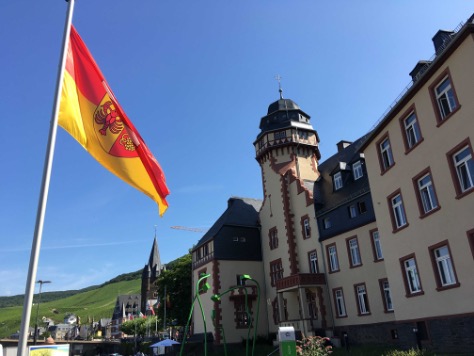
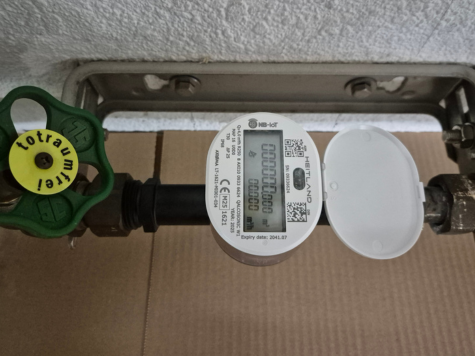
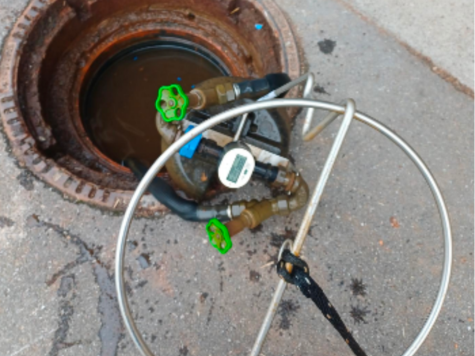
The Bernkastel-Kues utility deployed NB-IoT ultrasonic water meters integrated with the Mainlink’s data analytics platform and the SURU mobile application. The goal was to achieve continuous visibility across the network, reduce non-revenue water, and improve both operational efficiency and customer transparency.
The Challenge
Prior to the upgrade, the utility relied on wM-Bus meters, which supported annual billing but offered little insight into daily consumption patterns, leak events, or overall system performance.
As a result:
- Non-revenue water often remained undetected for extended periods
- Billing cycles required significant manual effort
- Investigating customer queries or suspected leaks was time-consuming
- End users had no access to their own consumption data
- Digital interaction between the utility and its customers was limited
In addition, evolving EU data regulations require utilities to provide accessible historical consumption data to end users – something the existing system could not support.
The Solution
The utility implemented a fully integrated NB-IoT smart metering system, combining:
- 1500 Axioma NB-IoT ultrasonic meters installed (~4,000 planned by the end of 2026)
- Mainlink data management platform
- SURU mobile application
Delivered by Heitland as a complete solution, the system simplified deployment – requiring only meter installation, with automatic activation and connectivity.
Results
Following implementation, the utility has already seen clear operational improvements:
- More efficient and streamlined billing processes
- Early detection of leaks, particularly in public buildings, enabling timely repairs
- Faster and more accurate responses to customer enquiries
- Improved transparency for residents through access to detailed consumption, billing, and insurance data
- Compliance with EU data regulations