

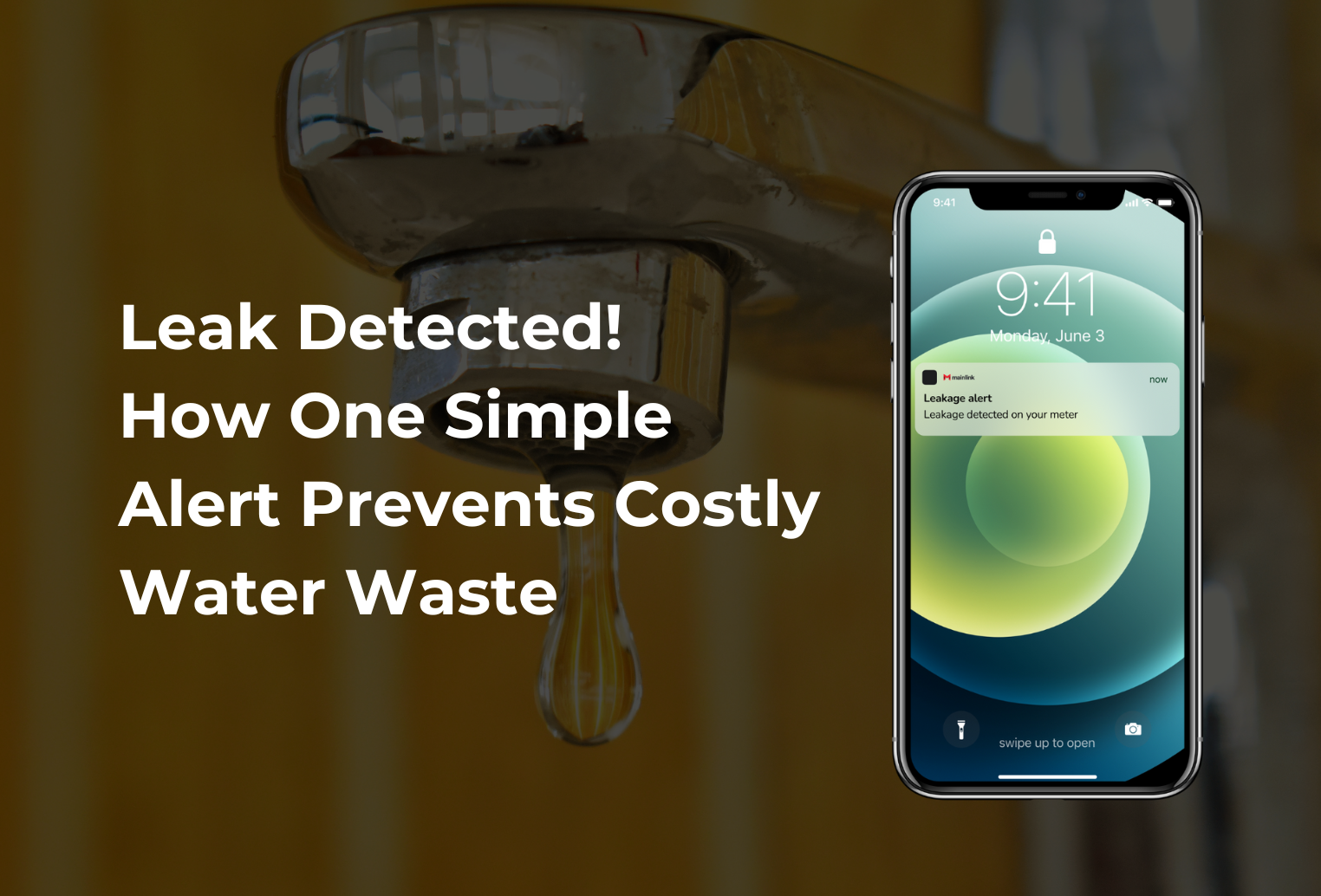
Leak Detected! How One Simple Alert Prevents Costly Water Waste
2025-06-05
What Does a Smart Meter Look Like? Size & Design Guide
2025-07-01Water conservation is the set of behaviors, practices, and principles used to ensure an adequate supply of water for both human activities and the environment. This is not just a theoretical issue, but a practical one, with the burden for conservation increasingly falling on property owners. In this article, we will discuss what conservation is, why it’s necessary for property owners, and some practical and innovative solutions that help meet regulatory requirements while saving water and money.
The U.S. Water Crisis: Why It Affects Property Owners
Water scarcity is no longer a distant threat – it’s a present challenge. Since 2000, over 50% of the continental U.S. has experienced drought conditions. US Geological Survey data shows that since 2000, the Colorado River Basin has experienced multiple historic droughts, resulting in increased pressure and stress for residential and business consumers in a basin that serves 40 million people. These challenges are not just theoretical or insignificant: they are already pushing up costs and reducing water availability. In California, prolonged dry seasons and growing demand for increasingly scarce resources are forcing tighter regulations and driving up costs.
Residential properties feel the impact. Increased prices and regular scarcities represent a significant external pressure, but wastage within the system is a major problem contributing to costs for the property owner. According to the US Environmental Protection Agency, the average U.S. household wastes nearly 10,000 gallons per year due to undetected leaks.
Nationally, that adds up to nearly 1 trillion gallons wasted annually. The water lost could meet the needs of 11 million households each year, representing a massive waste of scarce water resources and an equally massive cost to property owners, especially in multifamily properties. According to the World Population Review, in California, average water bills are $76/month. Some California regions, such as the East Bay Municipal Utilities District as per its own water rate estimates, exceed this and many HOAs are under pressure to reduce consumption.
Increased demand for scarce resources has resulted in legislative action from many jurisdictions. These new regulations often directly impact large property owners and housing associations by conferring a regulatory responsibility on them to manage water use and conservation at the property level. California state law requires that water meters and submeters be installed in apartments and other rental housing buildings constructed after Jan. 1, 2018.
In summary, the importance of water conservation for property owners can be reduced to three key areas:
- Water scarcity
- Water wastage
- Regulatory compliance
These three areas represent the major external, internal, and regulatory threats and challenges for property owners.
Why Water Conservation Is More Than Just Turning Off the Tap
For HOAs and property owners, water inefficiencies mean:
- Higher utility bills and operating costs
- Unfair or inaccurate billing without unit-level data
- Compliance risk under new submetering regulations (in some states)
Municipalities and property owners face a pressing question about how to save water, with few easy solutions. Water conservation is defined as the set of behaviors, practices, and techniques aimed at the sustainable management of water to protect both the environment and human access to water now and in the future. How to preserve water is therefore a wide-ranging issue involving many different practices and strategies at many different levels.
Governments and supranational organizations do much of the work to preserve water, but increasingly, property owners and residents are being passed much of the burden through new regulations.
At the individual level, many strategies involve making smart choices about water such as using a shower instead of a bath, or similar low-cost alterations to behavior. Technological solutions such as low-flow fixtures or water-efficient appliances are one tactic many residents use to reduce their consumption.
These measures are ineffective at scale, especially in multifamily properties or mobile home parks. In these cases, a more comprehensive and systemic approach to water conservation is necessary, tackling the root issues of wastage, supply, and efficient use.
While low-flow fixtures and irrigation upgrades help, the real change starts with full visibility knowing exactly how and where water is used. Such comprehensive knowledge can only be achieved with innovative smart metering solutions.
Smart Water Management: How to Save Water with Practical Solutions
A smart meter is a digital device that monitors utility usage, in this case water, and transmits the data remotely. Smart water meters offer a comprehensive solution for water metering that delivers unprecedented levels of control over and data about water usage.
Modern smart metering and submetering technology puts property managers in control. Ultrasonic meters and real-time data management platforms deliver actionable data that reduces waste and simplifies operations.
Benefits of Ultrasonic Smart Water Meters:
- High accuracy even at low flow rates as low as 0.01GPM
- No moving parts, meaning lower maintenance
- Automatic leak detection to prevent costly damage
- Reliability: With a 16 year battery life and no moving parts, a smart water meter needs less maintenance and keeps working year after year.
According to the EPA, smart water management can cut water use by 15–20% with savings amplified across large residential communities.
California’s Submetering Regulations Are Raising the Bar
Submetering uses individual meters to monitor the usage of utilities, in this case water, across a large building or multifamily property. Traditionally, many large properties use a single master meter to monitor building-wide water consumption. Today, this is considered inefficient, ineffective, and unfair by many jurisdictions.
California leads the U.S. in mandating water submetering. Property owners must:
- Install submeters per unit
- Provide transparent billing based on consumption
- Ensure meter accuracy and accessibility
Submetering helps incentivize good water conservation behaviors in owners and residents by distributing benefits directly to consumers. Through accurate monitoring, managers can hold residents accountable for their own water bills giving residents a reason to be engaged in the conservation and management process. Transparent data sharing means tenants can see exactly what their own usage is at any time, giving them the knowledge they need to adjust their own behaviors.
Proper submetering saves money for both residents and owners.
Rebates Make Smart Metering Even Smarter
Upgrading your property’s water system doesn’t have to break the budget. Many local and state authorities offer rebates to make water-efficient upgrades more accessible. These incentives can significantly lower the upfront costs of ultrasonic meter installations and smart platform rollouts.
Utilities providers in some states offer rebates and programs to help offset upgrade costs. For example:
- California’s East Bay Municipal Utility District offers a 50% rebate on water flow meters according to its website.
- Santa Clara Valley Water offers up to $300 for submeter installations according to its website.
Beyond initial savings, the long-term ROI is even more compelling:
- Lower maintenance costs with no mechanical components
- Fewer truck rolls thanks to remote monitoring
- Early leak detection before damage escalates
- Improved resident satisfaction via app-based transparency
Water conservation isn’t just a checkbox, it’s an investment in property value, sustainability, and operational resilience.
Engaging Residents: Daily Water-Saving Habits That Make a Difference
Educating residents and empowering them to make good choices is key to maximizing savings. HOAs and building managers can encourage simple behavioral changes that makes an impact:
- Turn off taps while brushing teeth or shaving
- Run full loads in washers and dishwashers
- Fix dripping faucets promptly
- Limit outdoor watering to early mornings or evenings
- Use water-efficient fixtures when upgrading bathrooms or kitchens
Mainlink’s mobile app makes these efforts even easier by helping residents track their own consumption remotely. Alerts, insights, and transparency drive smarter habits. When residents can see exactly how their consumption affects their bills, cooperation becomes much easier and more effective.
How Mainlink Encourages Smarter Water Use
Mainlink delivers a comprehensive, future-ready water metering solution:
- NTEP-Certified Ultrasonic Meters – built for durability, accuracy, and leak detection
- LoRaWAN Connectivity – robust data transmission without extra hardware
- Mainhive Platform – full visibility into every property and unit
- NTEP-Certified Resident Mobile App – empowers tenants with real-time water usage data
Mainlink offers a comprehensive water metering solution that empowers owners and residents to make smarter, cost-effective decisions about their water usage. Through robust data collection, automatic leak detection, and a user-friendly mobile app, property owners and residents can use detailed insights into personal and systemic water usage and monitor problems before they become large and expensive to fix.
From multifamily properties to trailer parks and manufactured housing, Mainlink simplifies submetering – eliminating unnecessary components while maximizing value.
Final Thoughts: Smart Conservation Starts with Smart Tools
Water is a finite resource and it’s only getting more expensive. For HOAs and property managers, the future of conservation lies in smarter technology and informed communities. By combining ultrasonic metering, rebate-backed upgrades, and resident engagement tools, you can cut water waste, lower costs, and stay ahead of regulations.
Curious how much your property could save?
Book a free assessment and let Mainlink help you turn water manage